 OEM/ODM de productos de aleación de titanio. | fresado CNC | Mecanizado multieje | Procesamiento de productos EDC | Fabricante de mecanizado CNC personalizado

¿Cuáles son las ventajas y características del mecanizado CNC de aleación de titanio??
En el procesamiento de aleaciones de titanio., La aleación de titanio tiene baja densidad., alta fuerza específica (fuerza/densidad), buena resistencia a la corrosión, alta resistencia al calor, buena dureza, plasticidad, y soldabilidad. Actualmente, La aleación de titanio se ha utilizado ampliamente en muchos campos, como el aeroespacial., automotor, médico, equipo deportivo, y la industria de la electrólisis. Sin embargo, la mala conductividad térmica, alta dureza, y el bajo módulo elástico también hacen que la aleación de titanio sea un material metálico difícil de procesar. Este artículo resume algunas medidas del proceso de corte de aleaciones de titanio en función de las características del proceso.
Ventajas del mecanizado CNC de aleación de titanio.:
Principales ventajas: 1. La aleación de titanio tiene alta resistencia., baja densidad (4.4kg/dm3), y peso ligero, Proporcionar una solución para reducir el peso de algunos componentes estructurales grandes..
2. Alta resistencia térmica. Las aleaciones de titanio pueden mantener una alta resistencia y funcionar de manera estable en 400-500 ℃, while aluminum alloys can only work at temperatures below 200 ℃
3. Compared with steel, the inherent high corrosion resistance of titanium alloy can save the cost of daily operation and maintenance of aircraft.
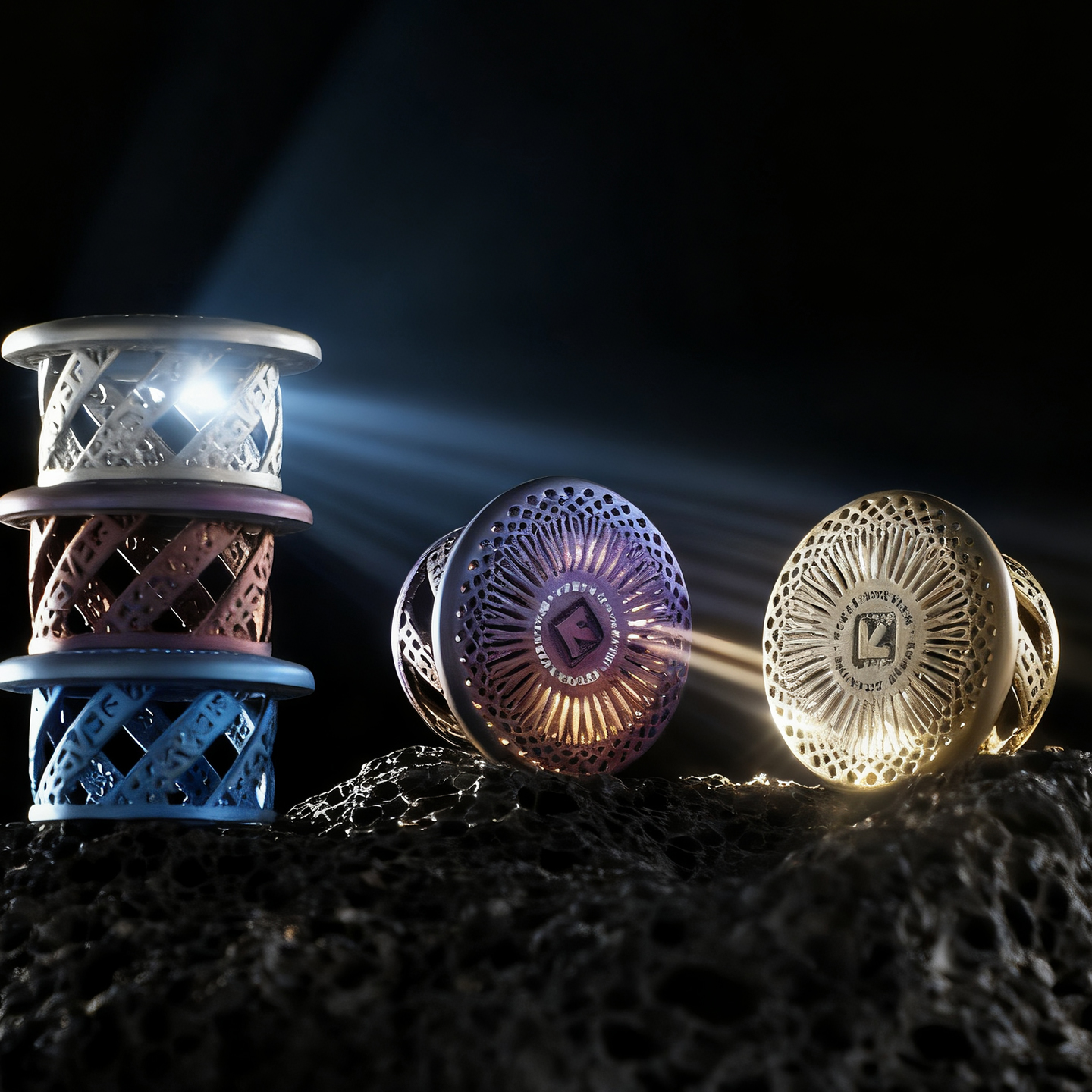
Processing characteristics of titanium alloy CNC:
The special characteristic of CNC machining of titanium alloy is low thermal conductivity. TC4 has a thermal conductivity of l=16.8W/m at 200 ℃? ℃, is the thermal conductivity 0.036 kcal/cm? A second? ℃ is only 1/4 of steel, 1/13 of aluminum, y 1/25 of copper. Poor heat dissipation and cooling effect during cutting process shorten the tool life.
2. Low elastic modulus leads to large rebound on the machined surface of the part, resulting in an increased contact area between the machined surface and the back cutting surface of the tool, which not only affects the dimensional accuracy of the part but also reduces the durability of the tool.
3. Hardness factor. Titanium alloys with low hardness values will become sticky during processing, and chips will stick to the cutting edge near the front cutting surface of the tool, forming chip deposits that affect the machining effect; High hardness titanium alloys are prone to tool chipping and abrasion during processing. These characteristics result in a low metal removal rate of titanium alloy, only 1/4 of steel parts, and much longer processing time than steel parts of the same size.
4. Strong chemical affinity. Titanium can not only undergo chemical reactions with the main components of nitrogen, oxígeno, carbon monoxide, and other substances in the air, forming TiC and TiN hardening layers on the alloy surface, pero también reacciona con el material de la herramienta en condiciones de alta temperatura generadas por el corte., reduciendo la durabilidad de la herramienta.
5. Bajo rendimiento de seguridad durante el proceso de corte.. El titanio es un metal inflamable., Y la alta temperatura y las chispas generadas durante el microcorte pueden causar la combustión de virutas de titanio..