 OEM/ODM de produits en alliage de titane | Fraisage CNC | Usinage multi-axes | Traitement des produits EDC | Fabricant d'usinage CNC sur mesure

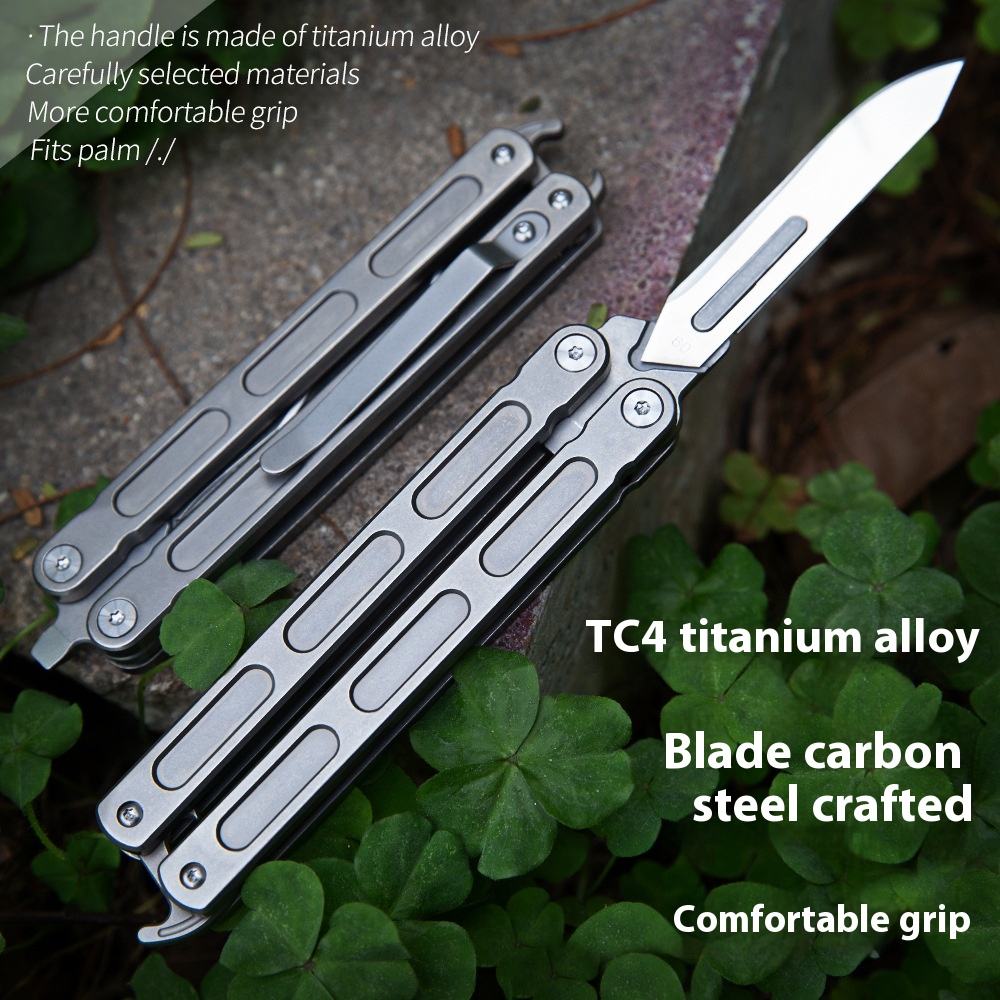
Les diverses propriétés du titane en font un matériau très attractif, mais beaucoup de ces propriétés affectent également son usinabilité. Les alliages de titane couramment utilisés dans l'industrie sont des alliages de titane biphasés., à savoir (un b) alliages de titane. TC4 et TC6 sont couramment utilisés dans les accessoires de carburant pour moteurs d'aviation., le TC4 étant un représentant typique de ce type d'alliage.
Les diverses propriétés du titane en font un matériau très attractif, mais beaucoup de ces propriétés affectent également son usinabilité. Les alliages de titane couramment utilisés dans l'industrie sont des alliages de titane biphasés., à savoir (un b) alliages de titane. TC4 et TC6 sont couramment utilisés dans les accessoires de carburant pour moteurs d'aviation., le TC4 étant un représentant typique de ce type d'alliage. Les matériaux en alliage de titane ont une dureté élevée, mauvaise performance de coupe, et sont sujets à l'écrouissage, ce qui pose des difficultés pour couper. AVIC West Control a mené des recherches approfondies sur les pièces en matériaux TC4 en alliages de titane, en particulier dans les processus de tournage, et a acquis une certaine expérience.
Premièrement, le module élastique de l'alliage de titane est petit, avec TC4 ayant un module élastique de E=110GPa, soit environ la moitié de celui de l'acier. En plus, sa conductivité thermique est faible, entraînant une déformation élastique importante de la pièce provoquée par les forces de coupe. En même temps, des forces de coupe élevées et concentrées sont générées pendant le processus d'usinage. Cela peut facilement provoquer des vibrations et des vibrations lors de la coupe., réduisant la précision de la pièce. Donc, il est nécessaire d'améliorer la rigidité du système d'usinage.
Deuxièmement, la température locale élevée générée par l'alliage de titane lors de la coupe permet au titane d'absorber facilement l'oxygène et l'azote de l'atmosphère, formant ainsi une peau extérieure dure et cassante. Cela provoquera un écrouissage sur la surface d'usinage de la pièce., et la vitesse d'écrouissage est rapide, entraînant de graves rayures sur la surface de l'outil, qui est sujet à l'écaillage pendant le processus de coupe.
En outre, les propriétés physiques et chimiques des matériaux en alliage de titane eux-mêmes les rendent hautement compatibles avec la pièce lors de la coupe. Lorsque l'outil de coupe entre en contact avec la pièce pendant la coupe, il a tendance à coller, augmentant la friction entre l'outil et la pièce et générant une grande quantité de chaleur de coupe. La grande quantité de chaleur de coupe ainsi générée ne peut pas être évacuée à temps à travers les copeaux., réduisant considérablement la durée de vie de l'outil. Donc, les outils de coupe pour le traitement des alliages de titane doivent avoir une dureté thermique élevée.
Le traitement de l'alliage de titane peut ici être considéré comme une ingénierie systématique, ce qui nécessite une considération sous plusieurs angles tels que l'équipement de traitement, outils de coupe, paramètres de coupe, liquide de refroidissement, etc.. En termes d'équipement de traitement, le traitement des alliages de titane nécessite des machines-outils offrant de bonnes performances de traitement et un refroidissement suffisant, c'est pourquoi les tours CNC avec une précision de traitement élevée sont sélectionnés pour l'équipement de traitement. La vibration de la broche est minime pendant le traitement, et la stabilité du traitement est bonne.
Les matériaux d'outils utilisés pour le traitement de l'alliage de titane ont une bonne dureté et résistance à l'usure, excellente résistance à la chaleur, haute résistance et ténacité à haute température, ainsi qu'une certaine résistance aux chocs et aux dommages. Les outils qui répondent aux exigences ci-dessus incluent les outils en céramique, outils en alliage dur revêtu, outils en nitrure de bore cubique (CNB), et outils en carbone de type diamant (PCD). Parmi eux, les outils de coupe en alliage dur revêtus sont peu coûteux, avoir une bonne conductivité thermique et une dureté élevée, et fonctionne également bien en termes de dureté et de ténacité rouges. Bien que leur résistance thermique et leur stabilité chimique soient inférieures à celles de la céramique, nitrure de bore cubique (CNB), et outils de coupe en forme de diamant, ils ont une résistance aux chocs et aux dommages plus élevée que les outils de coupe en céramique et en diamant. Donc, il est devenu l'outil de coupe préféré pour le traitement des alliages de titane. Les outils de coupe en alliage dur revêtus sont le choix préféré pour l'usinage des alliages de titane